Lender & Partner Overview
Patterson Estate Eco-Resort & Sustainability Campus
Project: Eco-resort + sustainability campus on 160-acre historic family estate
Location: Natchitoches Parish, Louisiana
Sponsor: Patterson Family Trust + SOLEL International
Tagline: “Tulum of the American South”
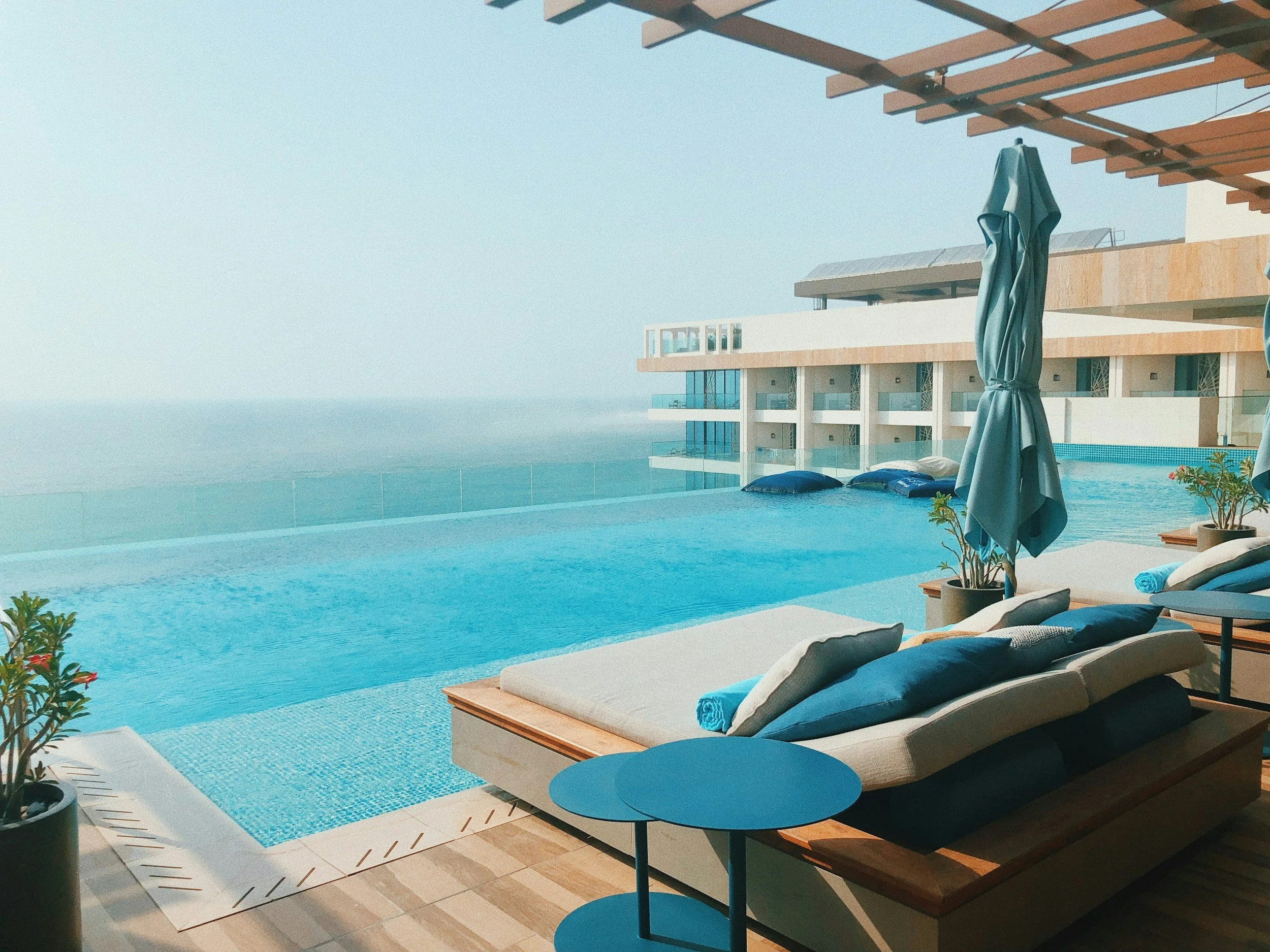
Vision – Illustrative representation:
Canva presentation
Executive Summary
Patterson Estate is a three-phase development transforming 126+ years of family land stewardship into a multicultural eco-resort and sustainability campus.
The 160-acre historic estate, patented in 1891 and held in the Patterson Family Trust, will be developed as follows:
- Phase 1 (Years 1–2): 5-acre eco-resort core with 24–30 guest units, village amenities, and cultural programming. CapEx: $1.0–2.0M. Stabilized NOI: $150–250k/year.
- Phase 2 (Years 3–4): 8–10 additional acres with 16–20 new keys, wellness center, expanded F&B, and 15-acre agroforestry zone. CapEx: $2.0–3.0M. Incremental NOI: $150–250k/year.
- Phase 3 (Year 5+): 20–30 acres with aviation, clean water facility, renewable energy, and lake/wetlands recreation. CapEx: $3.0–5.0M. Incremental NOI: $250–500k/year.
Full estate stabilization: ~50 developed acres plus ~110 resource-managed acres generating $500k–$1M+ annual NOI across diversified streams (hospitality, agriculture, aviation, utilities, recreation, timber).
Critical safeguard: The 160-acre land remains in the Patterson Family Trust. Only improvements, FF&E, and assigned leases secure debt—protecting generational family wealth while enabling professional hospitality operations and lender confidence.
Vision & Mission
- Transform 126+ years of Patterson family land stewardship into a multicultural eco-resort and heritage destination.
- Build generational wealth while honoring Black, Moorish, and Creole heritage rooted in the Cane River region.
- Strengthen regional prosperity through sustainable hospitality, green infrastructure, and diversified rural income.
- Create long-term jobs, vendor opportunities, and training pathways for Natchitoches Parish communities.
Core Assets
Land
160-acre historic Patterson Estate, patented in 1891, held in the Patterson Family Trust. Majority of acreage remains unencumbered across all three phases.
Heritage
On-site church, cemetery, and deep Black/Creole/Moorish heritage tied to Cane River history, supporting heritage tourism, education partnerships, grant funding, and cultural programming.
Resources
Timber, hunting rights, water access, agricultural exemptions, and future clean water and green energy infrastructure as independent revenue streams.
Phase 1: Eco-Resort Core (5 Acres)
Program & Scale
- Site: 5-acre development envelope within the 160-acre estate; land remains in Patterson Family Trust.
- Guest Units: 24–30 keys (casitas, villas, jungle suites) with outdoor living and water features.
- Central Amenities: Lodge/reception, resort pool, spa/yoga pavilion, yoga deck, outdoor dining areas.
- Vendor Village: 4–8 retail, wellness, and artisan units (restaurant, gift shop, massage, local crafts).
- Cultural Facilities: Museum/Heritage Center, interfaith chapel, ceremony/gathering spaces.
- Built Area: Approximately 30,000–40,000 sq ft total (enclosed + covered unconditioned spaces).
Sustainable Construction Strategy
- Structure: Light wood-frame with durable finishes (stucco, stone, natural materials, metal roofing).
- Energy: On-site solar PV systems for energy resilience and cost control.
- Water: Rainwater capture and filtration with potential Moses West Foundation partnership for clean water facility.
- Waste: Composting systems and aluminum/recyclables recovery for supplemental revenue.
Cost Planning
| Item | Target |
|---|
| Built Area | 30,000–40,000 sq ft |
| Unit Cost | $160–220/sq ft (Louisiana hospitality benchmark) |
| Total Hard Costs | $1.0–2.0 million |
| Contingency | Included in total |
Revenue Streams (Phase 1)
| Stream | Source |
|---|
| Lodging | Year-round room revenue + retreat/event bookings from 24–30 keys |
| Restaurant | Leased to experienced operator; base rent + % of sales |
| Vendor Rents | 4–8 units with base rent + percentage-of-sales or tiered revenue-share |
| Cultural | Museum admissions, chapel fees, school/tour partnerships |
| Ancillary | Green energy, clean water services, compost/recycling, legal crops |
Financial Projections (Phase 1)
| Metric | Range | Notes |
|---|
| Stabilized NOI | $150–250k/year | Years 2–5; scalable to $400k+ with growth |
| Typical Debt Service | $100–150k/year | On $1–2M loan at market hospitality rates (6–7%) |
| DSCR | 1.2–1.5x+ | Conservative underwriting basis |
| Payback Horizon | 10–15 years | Depending on loan structure and growth assumptions |
Loan Structure & Collateral (Phase 1)
| Component | Detail |
|---|
| Collateral | Buildings, site improvements, FF&E, and assigned leases/rents on the 5-acre parcel only |
| Land | 160-acre estate remains in Patterson Family Trust—NOT pledged |
| Underwriting | Income capitalization based on projected room revenue, vendor leases, and contracted events |
| Loan Types | Bank, CMBS, SBA 504/7(a), USDA B&I, or impact lender structures all compatible |
| Term | Construction-to-permanent; 15–25 year amortization typical |
| Reserves | 3–6 months operating reserve plus negotiated payment-holiday options |
Phase 2: Expansion & Agriculture (8–10 Acres, Years 3–4)
Program & Scale
- Acreage: 8–10 additional developed acres adjacent to Phase 1; 15-acre hemp and agroforestry zone activated.
- Additional Keys: 16–20 new guest units, bringing total to 40–50 keys.
- New Uses: Wellness center (spa, therapy, yoga), secondary food & beverage, expanded vendor village (6–10 additional units).
- Land Use: Licensed hemp cultivation and agroforestry systems for sustainable timber and specialty crop production.
Sustainable Features (Phase 2)
- Wellness Infrastructure: Dedicated spa/treatment buildings with natural materials and energy-efficient HVAC.
- Agricultural Systems: Soil health management, water conservation, crop rotation, and pollinator habitat.
- Energy Expansion: Additional solar capacity to offset Phase 2 lodging and wellness center operations.
Cost Planning (Phase 2)
| Item | Target |
|---|
| Built Area (New) | 12,000–15,000 sq ft |
| Unit Cost | $160–220/sq ft (consistent with Phase 1) |
| Agricultural Infrastructure | $200–300k (hemp systems, irrigation, storage) |
| Total Phase 2 CapEx | $2.0–3.0 million |
Revenue Streams (Phase 2 – Incremental)
| Stream | Source |
|---|
| Wellness Services | Spa, massage, yoga retreats, wellness packages |
| Secondary F&B | Additional restaurant/cafe lease or in-house operation |
| Expanded Vendor Rents | 6–10 new units (wellness services, local goods, artisan workshops) |
| Agricultural Products | Hemp products, agroforestry timber/crops, specialty goods |
| Event Hosting | Larger groups with expanded pavilions and lodging |
Financial Projections (Phase 2)
| Metric | Range | Notes |
|---|
| Phase 2 CapEx | $2.0–3.0M | Infrastructure + buildings |
| Incremental NOI (Phase 2 alone) | $150–250k/year | Years 3–5 at stabilization |
| Cumulative NOI (Phases 1 + 2) | $300–500k/year | Full estate at Phase 2 stabilization |
| Remaining Unencumbered Land | ~130 acres | Still protected in Patterson Family Trust |
Loan Structure & Debt (Phase 2)
| Component | Detail |
|---|
| Phase 2 Debt | $2.0–3.0M construction-to-permanent, or refinance of Phase 1 + Phase 2 cumulative improvements |
| Collateral | Improvements and leases on both Phase 1 and Phase 2 acreage |
| Land Status | 160-acre estate remains in trust—NOT pledged |
| Cumulative DSCR | 1.2–1.5x+ | Based on Phases 1 + 2 combined NOI |
| Waterfall | Phase 2 debt service covered by incremental NOI; Phase 1 debt service by Phase 1 NOI (structural separation possible) |
Phase 3: Full-Scale Sustainability & Regional Impact (20–30 Acres, Year 5+)
Program & Land Use
- Acreage: 20–30 acres for aviation, clean water facility, expanded renewable energy, and lake/wetlands recreation.
- Aviation: Transient aircraft landing pad, hangars, tie-downs, fueling, light maintenance (connects estate regionally).
- Clean Water: Full-scale facility providing potable water, emergency resilience, and community/contract revenue.
- Energy: Solar and wind systems with storage, offsetting estate usage and potentially selling power/credits to grid.
- Recreation & Education: Lake and wetlands center with trails, environmental education, and eco-tourism experiences.
Sustainable Features (Phase 3)
- Aviation: Sustainable fueling (biodiesel/SAF-ready), noise mitigation, wildlife habitat protection.
- Water Facility: Advanced filtration, storage tanks, emergency supply for regional resilience, partnership with clean water nonprofits.
- Renewable Energy: Hybrid solar/wind with battery storage, potential grid interconnection and power purchase agreements.
- Wetlands & Lake: Restored/managed habitat supporting environmental education, birdwatching, and eco-tourism.
Cost Planning (Phase 3)
| Item | Target |
|---|
| Aviation Infrastructure | $800k–$1.2M (pad, hangars, fueling, maintenance facilities) |
| Clean Water Facility | $1.0–1.5M (treatment, storage, testing, delivery) |
| Renewable Energy & Storage | $800k–$1.2M (solar arrays, wind turbines, batteries) |
| Recreation/Education Center | $400–600k (trails, pavilions, classroom, gift shop) |
| Total Phase 3 CapEx | $3.0–5.0 million |
Revenue Streams (Phase 3 – Incremental)
| Stream | Source |
|---|
| Aviation Services | Landing/tie-down fees, fueling, maintenance, pilot training |
| Water Contracts | Municipal/community water supply contracts, emergency bulk sales, research partnerships |
| Renewable Energy | Offset estate usage (operational savings), grid power sales, renewable credits/certificates |
| Eco-Tourism | Lake recreation (kayaking, fishing), bird-watching, nature tours |
| Environmental Education | School programs, university research partnerships, internships, grant funding |
| Resource Management | Optimized timber harvesting (managed agroforestry), hunting leases, ecological consulting |
Financial Projections (Phase 3)
| Metric | Range | Notes |
|---|
| Phase 3 CapEx | $3.0–5.0M | Aviation, water, energy, recreation infrastructure |
| Incremental NOI (Phase 3 alone) | $250–500k/year | Years 5+ at stabilization |
| Cumulative Estate NOI (All Phases) | $500k–$1M+/year | Full stabilized estate operations |
| Developed Acreage | ~50 acres | Phases 1, 2, and 3 combined |
| Resource-Managed Acreage | ~110 acres | Timber, hunting, water, agricultural exemptions, agroforestry |
Loan Structure & Debt (Phase 3)
| Component | Detail |
|---|
| Phase 3 Debt | $3.0–5.0M, likely in combination with Phase 1/2 refinance or co-debt |
| Collateral | Cumulative improvements (all phases) + all assigned leases and operating contracts |
| Land Status | 160-acre estate remains in trust—NOT pledged |
| Cumulative DSCR | 1.2–1.5x+ | Based on Phases 1 + 2 + 3 combined NOI (~$500k–$1M+) |
| Waterfall | Debt service layers: Phase 1 → Phase 2 → Phase 3, or single amortizing loan with combined collateral |
Estate-Wide Risk Profile & Safeguards
Land Protection
The Patterson Family Trust retains ownership of the entire 160-acre estate. Only physical improvements, fixtures, and assigned leases serve as collateral for debt. This structure ensures:
- Family control: Majority land ownership remains in trust indefinitely.
- Generational wealth: Land appreciates independent of resort operations; not subject to lender foreclosure.
- Operational flexibility: Land use can pivot if hospitality underperforms (conservation easements, agricultural focus, etc.).
Diversified Income Safeguards
| Income Stream | % of Stabilized NOI | Resilience |
|---|
| Hospitality (rooms + events) | 40–45% | Diversified pricing, hybrid digital events, pop-up uses |
| Vendor Rents (F&B, retail, wellness) | 30–35% | Digital ordering requirements, long-term leases with reserves |
| Agricultural & Forestry | 10–15% | Licensed hemp, agroforestry timber, hunting leases |
| Utilities & Clean Water | 8–12% | Contract-backed, resilience revenue, regional demand |
| Recreation & Education | 5–10% | Nonprofit partnerships, grant funding, school contracts |
Operating Resilience
- 3–6 months operating reserve: Maintained to weather occupancy dips or seasonal variation.
- Disaster playbook: Hybrid event capabilities, digital museum/retail, pop-up uses, temporary lodging.
- Tax exemptions: Museum and agricultural exemptions reduce property tax by 30–50% in stress years.
- Vendor continuity: Digital ordering (DoorDash, Uber Eats) helps ensure restaurant revenue during disruptions.
Market Risk Controls
- No single stream exceeds 45% of NOI: Hospitality-dominant but not dependent.
- Regional demand tailwinds: Eco-tourism and heritage tourism growth in Louisiana at 3–5% CAGR.
- Competitive differentiation: Heritage + sustainability + rural location create distinct positioning vs. city resorts.
Capital Structure & Blended Finance
Phase 1 Capital Stack
| Component | Target | Purpose |
|---|
| Senior Loan | $0.8–1.8M (80–90% of CapEx) | Construction-to-permanent facility debt |
| Philanthropic Equity/PRI | $0.2–0.4M (10–20%, gift or first-loss) | Risk absorption, tax incentives, mission alignment |
| Sponsor Equity | Land control, pre-dev costs | Developer skin-in-the-game, operational commitment |
Phase 2 Capital Stack
| Component | Target | Purpose |
|---|
| Phase 2 Senior Debt | $1.6–2.7M | Standalone or Phase 1 refinance + Phase 2 |
| Philanthropic PRI | $0.3–0.5M | Second-loss or co-investment |
| Phase 1 NOI Reinvestment | $150–250k/year | Self-funding of Phase 2 soft costs |
Phase 3 Capital Stack
| Component | Target | Purpose |
|---|
| Phase 3 Senior Debt | $2.4–4.5M | Cumulative or Phase 1/2/3 refinance |
| Philanthropic/Impact Capital | $0.5–1.0M | Mission-driven investors, grant matching |
| Operational NOI Reinvestment | $300–500k/year | Accelerated paydown, expansion costs |
Blended Finance Rationale
- Senior lenders recover principal and interest from diversified NOI and collateral improvements.
- Philanthropic partners access mission-aligned returns with risk mitigation from land protection and multi-stream revenue.
- Developer/operator aligns skin-in-the-game with transparent waterfalls and long-term family partnership.
Management & Governance
Operational Leadership
SOLEL International serves as General Manager/Project Lead, providing:
- Operational reporting and financial oversight
- Vendor management and contract administration
- Marketing coordination and community engagement
- Facility maintenance and capital planning
Specialist Partners
- Marketing: Tre' Media Group, AVA International (digital strategy, branding, event promotion)
- Events: Event Ninjas (retreat logistics, group coordination, on-site programming)
- Facilities: Licensed contractors for maintenance, repairs, and capital improvements
Trust Governance
The Patterson Family Trust retains land ownership and long-term control. Governance structure includes:
- Quarterly financial and operational reporting to trust beneficiaries
- Annual strategic review and Phase roadmap updates
- Transparent profit-sharing waterfalls with milestone-based transitions
- Veto rights on major operational changes or debt increases
- Long-term family advisory board with external lender/partner representation
Phased Profit Sharing & Waterfall Logic
Profit distribution is designed to align interests during capital recovery and shift toward family wealth retention post-payback.
Cumulative Profit Waterfall (All Phases)
| Ranking | Recipient | Phase 1–2 Priority | Phase 3+ Priority | Notes |
|---|
| 1 | Operating Reserves (3–6 mo.) | First call | First call | Maintained continuously |
| 2 | Debt Service (Phase 1) | Full amount | Full amount | Non-negotiable |
| 3 | Debt Service (Phase 2) | After Phase 1 | Full amount | Begins Year 3 |
| 4 | Debt Service (Phase 3) | After Phase 2 | After Phases 1–2 | Begins Year 5 |
| 5 | Capital Replacement & Contingency | 5% of NOI | 5% of NOI | Maintenance fund |
| 6 | Developer/Operator Profit Share | 30% (Years 1–2) | Declining (15–30%) | Performance incentives |
| 7 | Lender/PRI Returns | Pro-rata on subordinated equity | Pro-rata | Mission-aligned returns |
| 8 | Patterson Family Trust | 70% (Years 1–2) | 70–85% | Long-term wealth |
Annual Distribution Schedule
| Period | Family Share | Developer/Lender Share | Total NOI Available | Notes |
|---|
| Years 1–2 (Launch/Phase 1) | 70% | 30% | $150–250k | Family retains majority; developer establishes ops |
| Years 3–5 (Phase 2/Payback) | 20–30% | 70–80% | $300–500k | Developer prioritized as debt/equity accelerates |
| Year 6+ (Sustained/Phase 3) | 70–85% | 15–30% (sliding) | $500k–$1M+ | Family regains control; long-term residuals flow to family |
Timeline & Milestones
Phase 1 Timeline
| Period | Milestone | Key Actions |
|---|
| Months 1–3 | Design & Permitting | Architect engagement, site plans, environmental review |
| Months 4–12 | Financing & Permits | Lender underwriting, building permits, utility connections |
| Months 13–24 | Construction | Preconstruction, building, systems testing, FF&E procurement |
| Months 25–30 | Soft Opening | Staff training, vendor ramp-up, marketing launch |
| Months 31–42 | Stabilization | Year 2–3 revenue ramp, operational optimization, Phase 2 planning |
Phase 2 Timeline (Summary)
| Period | Milestone | Key Actions |
|---|
| Months 24–36 | Design & Approvals | Phase 2 site plans, hemp licensing, agroforestry plan |
| Months 36–48 | Financing Refinance | Phase 1 + Phase 2 debt restructure, Phase 2 lender commitment |
| Months 49–72 | Phase 2 Construction | Build new amenities, wellness center, agricultural systems |
| Months 72–84 | Phase 2 Occupancy | Ramp new keys, expand vendor offerings, optimize F&B |
Lender Contact & Next Steps
Sponsor Contact
SOLEL International
General Manager / Project Lead
Email: president@solelint.org
Phone: [Contact number]
Patterson Family Trust
Land Steward / Long-Term Owner
Contact: [Trust representative]
Debt & Equity Interest
- Phase 1 Senior Loans: $1.0–2.0M (construction-to-permanent)
- Mezzanine or Preferred Equity: $300–500k (first or second loss)
- Program Lending: USDA B&I, SBA 504, CMBS, or impact lender programs
- Blended Finance: Combine senior debt + philanthropic PRI for mission-driven returns
- Refinance Opportunities: Phase 1 + Phase 2 co-debt or Phase 1/2/3 cumulative refinance
Document prepared for lender/partner discussions, December 2025 – Patterson Estate Eco-Resort & Sustainability Campus, Natchitoches Parish, Louisiana.